


Why Choosing a Manufacturer Certified Collision Center Matters
After the dust settles and the initial shock of an accident fades, you are left with a long and daunting to-do list. At the top of that list is getting your car fixed. While it’s tempting to choose the body shop closest to your house or the one your insurance company suggests, there is a massive difference between a “general” body shop and a Manufacturer Certified repair facility.
Here is why choosing a body shop certified for your vehicle’s specific make is the most important decision you’ll make for your car’s second life.
- Specialized Tools and Technology
Modern vehicles are essentially computers on wheels, built with complex materials like ultra-high-strength steel, aluminum, and carbon fiber.
A certified body shop is required to invest tens of thousands of dollars in brand-specific equipment that general shops often lack. Whether it’s a specific frame-alignment rack or a specialized welding tool designed for your car’s unique alloy, these tools ensure the repair is done to factory standards.
- Access to “Restricted” Parts
Some manufacturers restrict the sale of certain structural components to certified body shops only. This is a safety measure to ensure that critical parts—like the pillars that support your roof—are only installed by technicians trained to handle them.
- Preservation of Structural Integrity
In a collision, your car is designed to crumple in specific ways to absorb energy and protect the passengers. This is known as the crumple zone.
If a body shop uses the wrong welding technique or a non-approved part, they could accidentally “reinforce” an area that is supposed to collapse, or weaken an area that is supposed to remain rigid. A certified repair ensures that in a future accident, your car will perform exactly the way the engineers intended.
- Protecting Your Warranty and Resale Value
Using a non-certified body shop can lead to a “domino effect” of financial headaches:
- Warranty Voidance: If a non-certified repair causes a secondary failure (like an electrical short or rust), the manufacturer may refuse to cover it under warranty.
- Resale Value: When it’s time to trade in your car, savvy buyers and dealerships look for repair records. A “Certified Repair” certificate proves the vehicle was restored to factory specifications, protecting your investment.
- Recalibration of Safety Systems (ADAS)
Most modern cars feature Advanced Driver Assistance Systems (ADAS), such as:
- Automatic emergency braking
- Lane-keep assist
- Blind-spot monitoring
After a collision, the sensors and cameras for these systems must be precisely recalibrated. Certified body shops have the specific software and targets required by your vehicle’s manufacturer to ensure these safety features are actually working when you pull out of the shop.
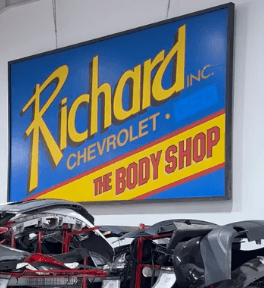
- Richard Chevrolet Collision Center-Why Choose Us?
Our Collision Center is a Gold Class I-Car certified body shop. Our technicians are required to participate in collision repair training throughout the year to ensure that they are educated and up-to-date to perform each repair technique we offer.
We know that when you need to visit us it is often a stressful and inconvenient situation, which is why we go the extra mile to make the repair process smooth and easy for our customers. We take on dealing with the insurance companies so you don’t have to, and getting the repairs done quickly to get you back to your routines as soon as possible.
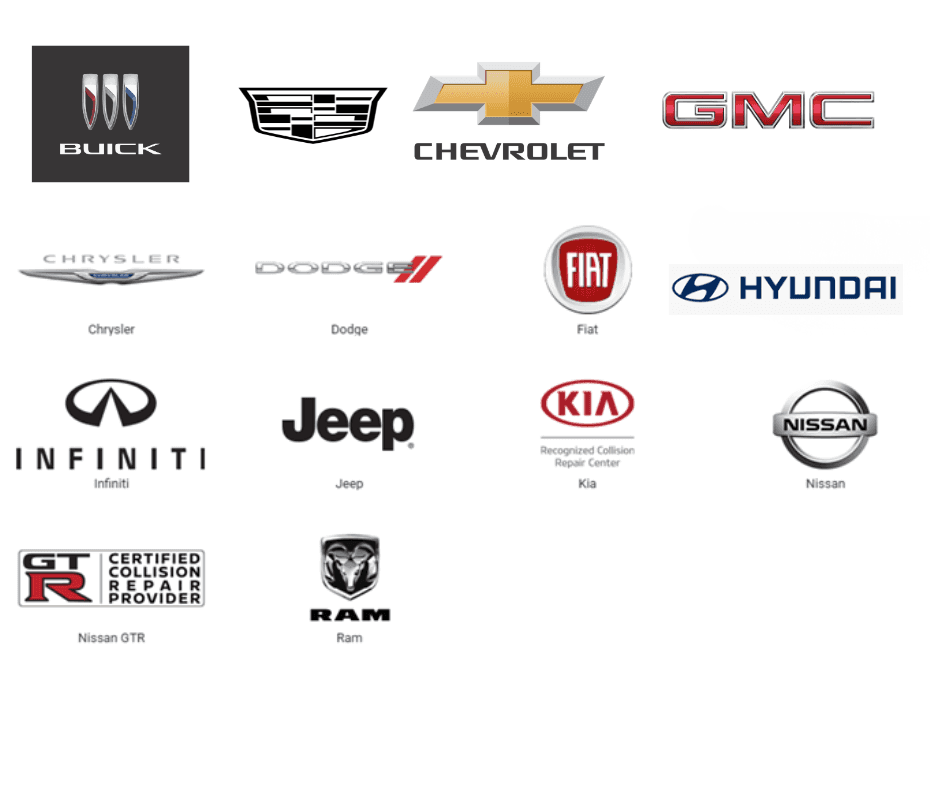
We are a Certified Repair Provider for Buick, Cadillac, Chevrolet, Chrysler, Dodge, Fiat, GMC, Hyundai, Infiniti, Jeep, Kia, Nissan, and Ram.
Conveniently located in Cheshire, Connecticut. If you find yourself in need of repairs, call us at 203-272-1000, or Click Here to learn more.
WE ARE CERTIFIED REPAIR PROVIDERS FOR:
Written by: Marketing/Content Team
Reviewed by: Frank Gaudio, Collision Center Manager & Fixed Operations Director
0 comment(s) so far on Why Choosing a Manufacturer Certified Collision Center Matters